

Новости 24.07.2025
Art, Science and Technology: Mutual Inspiration?
Поделиться


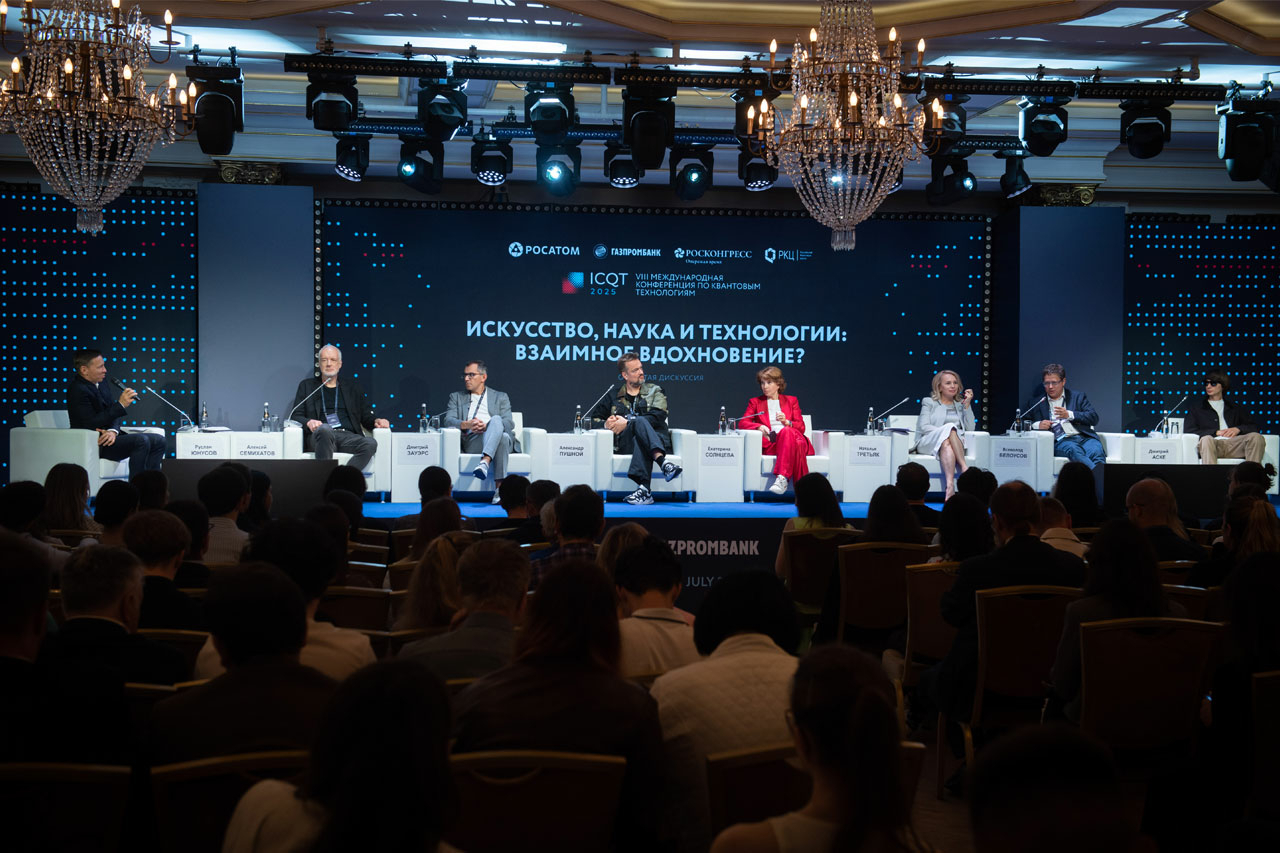
The Open Day of the 8th International Conference on Quantum Technologies (ICQT) held on July 23rd featured a panel discussion titled ‘Art, Science and Technology: Mutual Inspiration?’. It focused on how art, science and technology can not only create something new by mutually inspiring each other, but also strengthen human potential, and how technological progress can be harnessed to the benefit of people, their creativity and their dreams of the future.
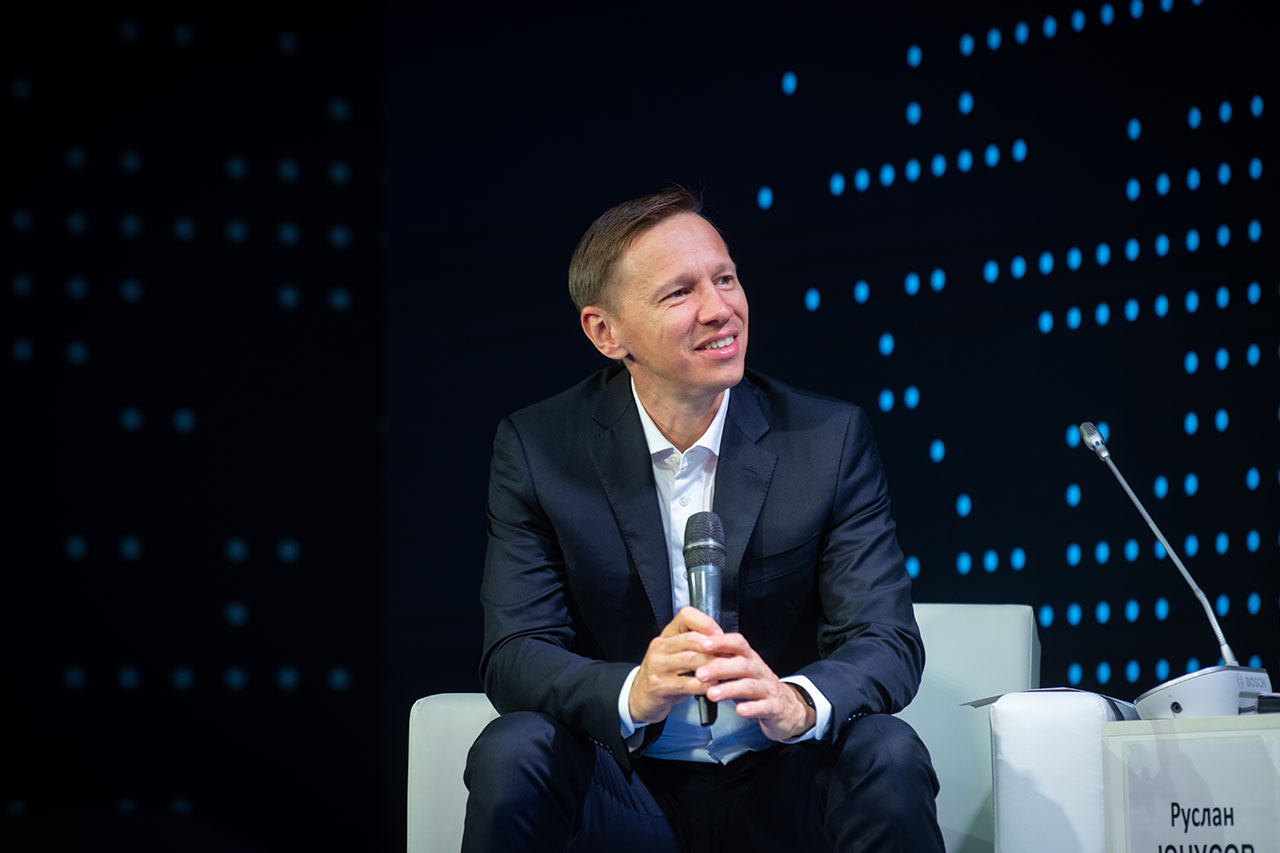
Ruslan Yunusov
Dmitry Zauers, Deputy Chairman of the Board of Gazprombank, told the audience that both science and art offer a creative journey that requires courage: “There is one thing that all of us sitting in this conference room have and in common, and that is the fact that we are not afraid of making a step into the unknown and creating something new. But people like that are always in short supply. We need to increase their numbers with the help of education, by changing people’s mindset. We invest not only in technology, but also in projects aimed at popularizing science.”
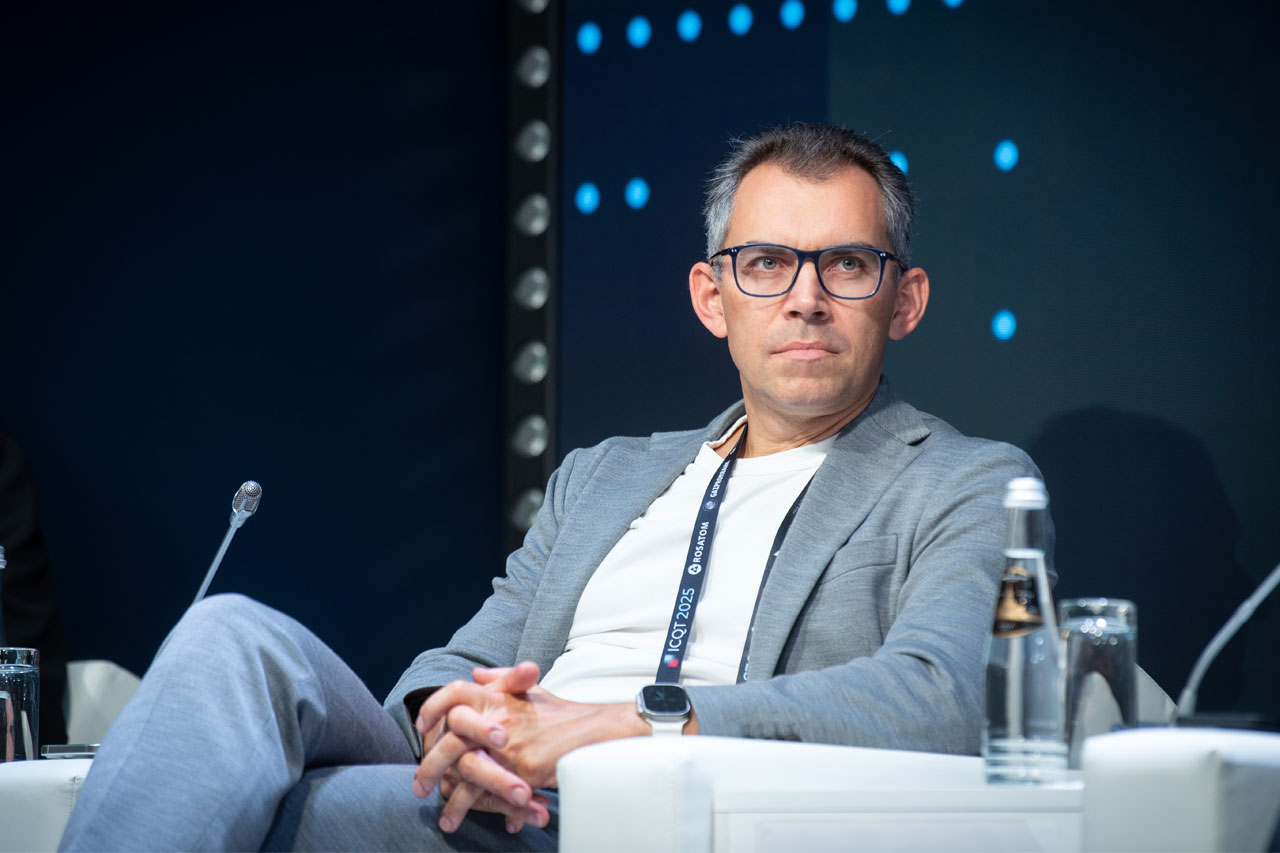
Dmitry Zauers
Yekaterina Solntseva, Director for Quantum Technologies with Rosatom State Corporation, shared her experience of how something that seemed unattainable just a few years ago can become reality: “We recently gathered the heads of our industries for a meeting so that they could tell us how they would like to use quantum technologies and what kind of limitations they have encountered when using traditional computers. We are now at a stage where we are going from pure science to applying our knowledge in practice.”
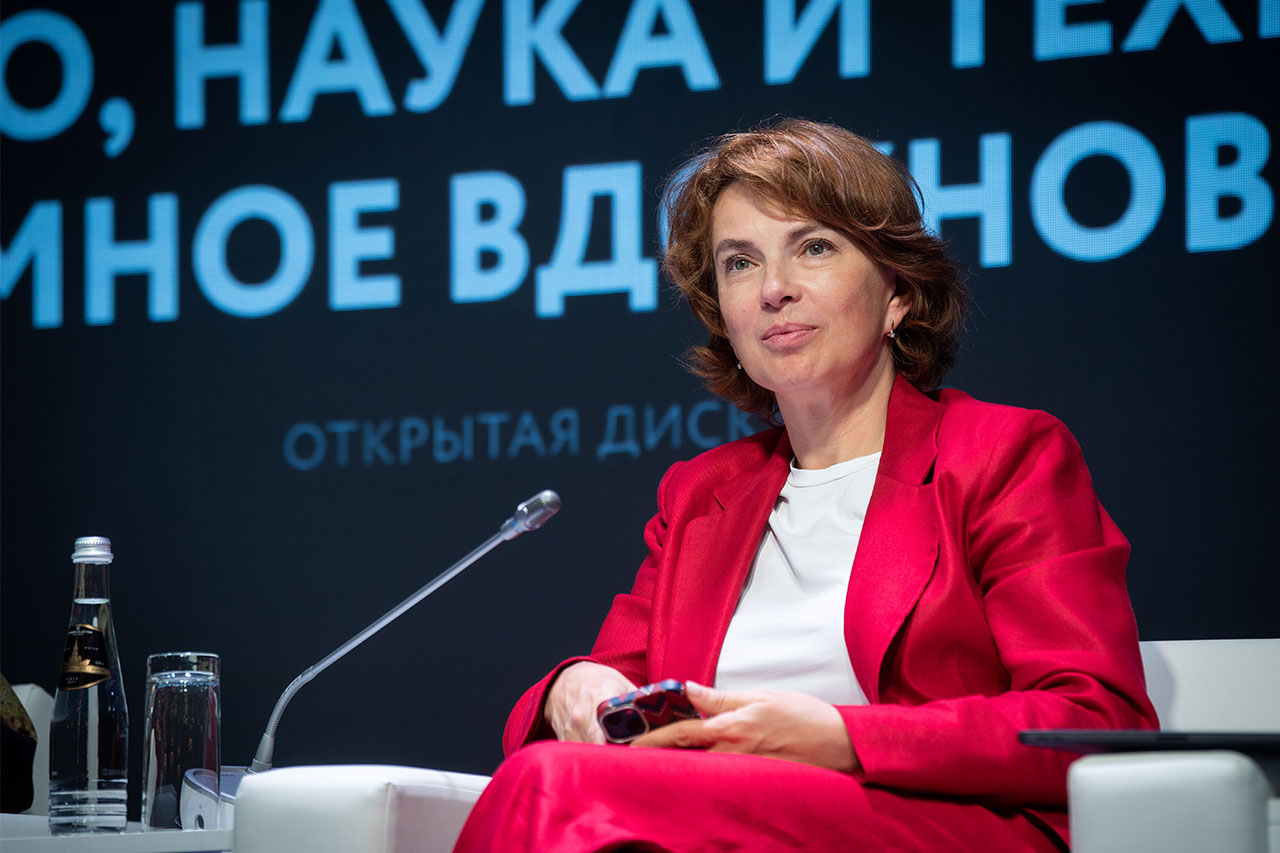
Yekaterina Solntseva
Actor and TV personality Alexander Pushnoy is convinced that quantum computers will someday become a regular part of our everyday lives, just like electricity: “Quantum technologies are the future, and as such they are inevitable. We won’t have the option of not using quantum computers. A hundred and fifty years ago people had earnest debates on whether mankind needed electricity, whereas today, it has become an indispensable part of our lives. For those who are currently contemplating on how they could apply themselves in science, I can tell you one should outright jump into quantum technologies, because that area is ripe with opportunities.”
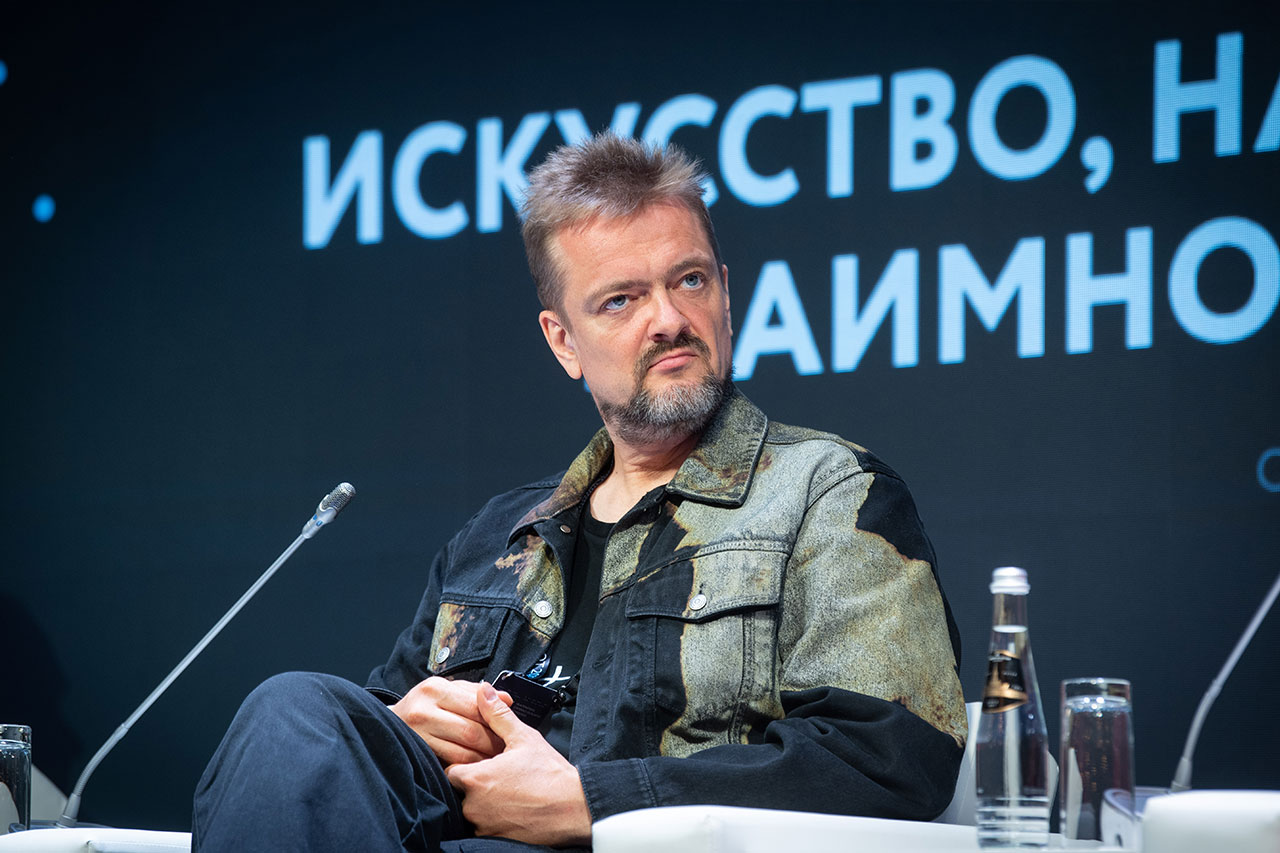
Alexander Pushnoy
CEO of the Vyzov Foundation for the Development of Scientific and Cultural Relations Natalya Tretyak emphasized that science is one of the most creative professions, and explained how art can help in popularizing science: “Art is probably the most effective way of sharing one’s emotions and impressions. With this concept in mind, we create projects that are based on combining science and art. One of the missions of the Vyzov Foundation is to make scientists popular, well-known personalities whose names are household names, and whose scientific achievements are a matter of pride not only in our country, but worldwide.”
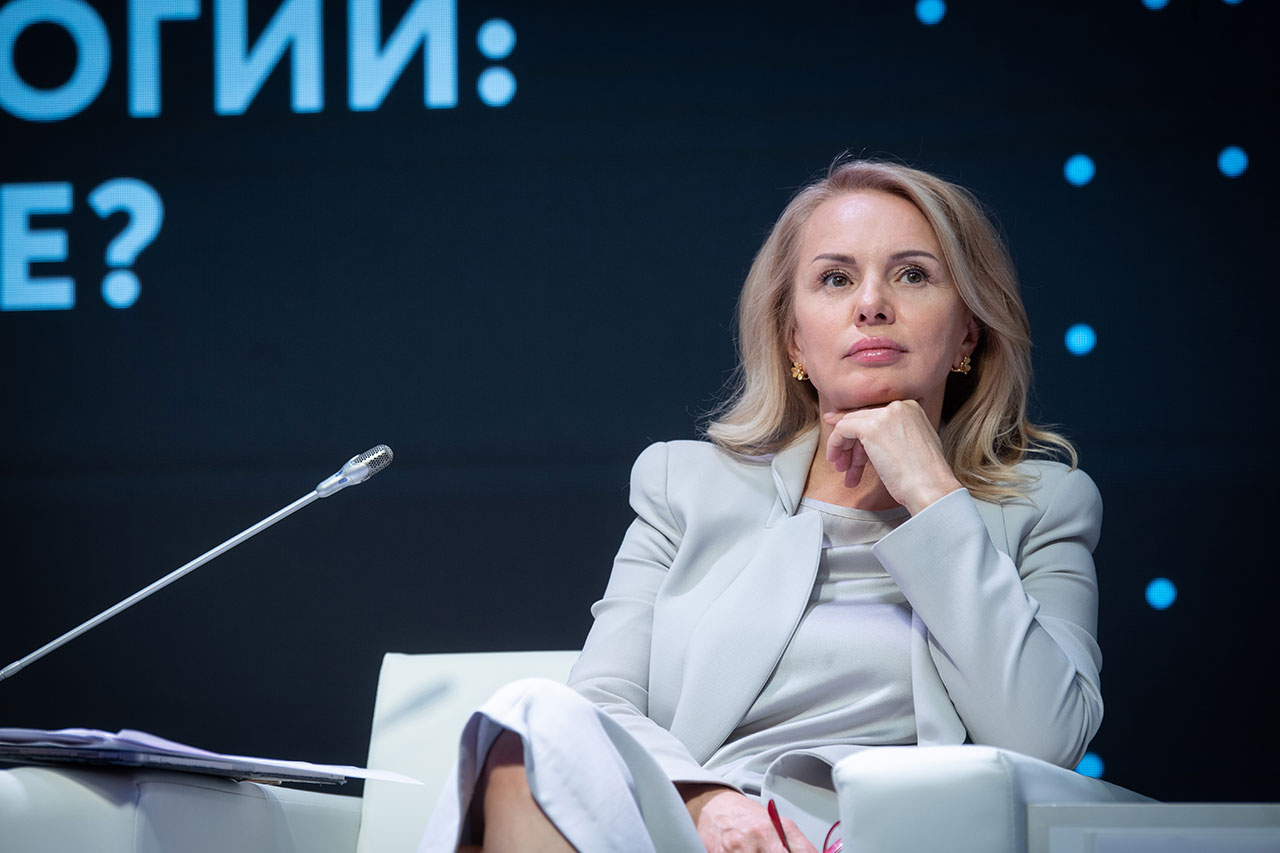
Natalya Tretyak
Vsevolod Belousov, Director of the Federal Center for Brain Research and Neurotechnology and a member of the VYZOV Prize Scientific Committee, spoke about how art affects the brain: “Art is a very powerful neurotechnology. It is ancient and highly effective, because visual images, music and other forms of art can influence the brain. But it’s not like your brain will change instantly once you’ve looked at a painting: that is not how the plasticity of the brain works. It takes more time to get some kind of an effect, same as rehabilitation.”
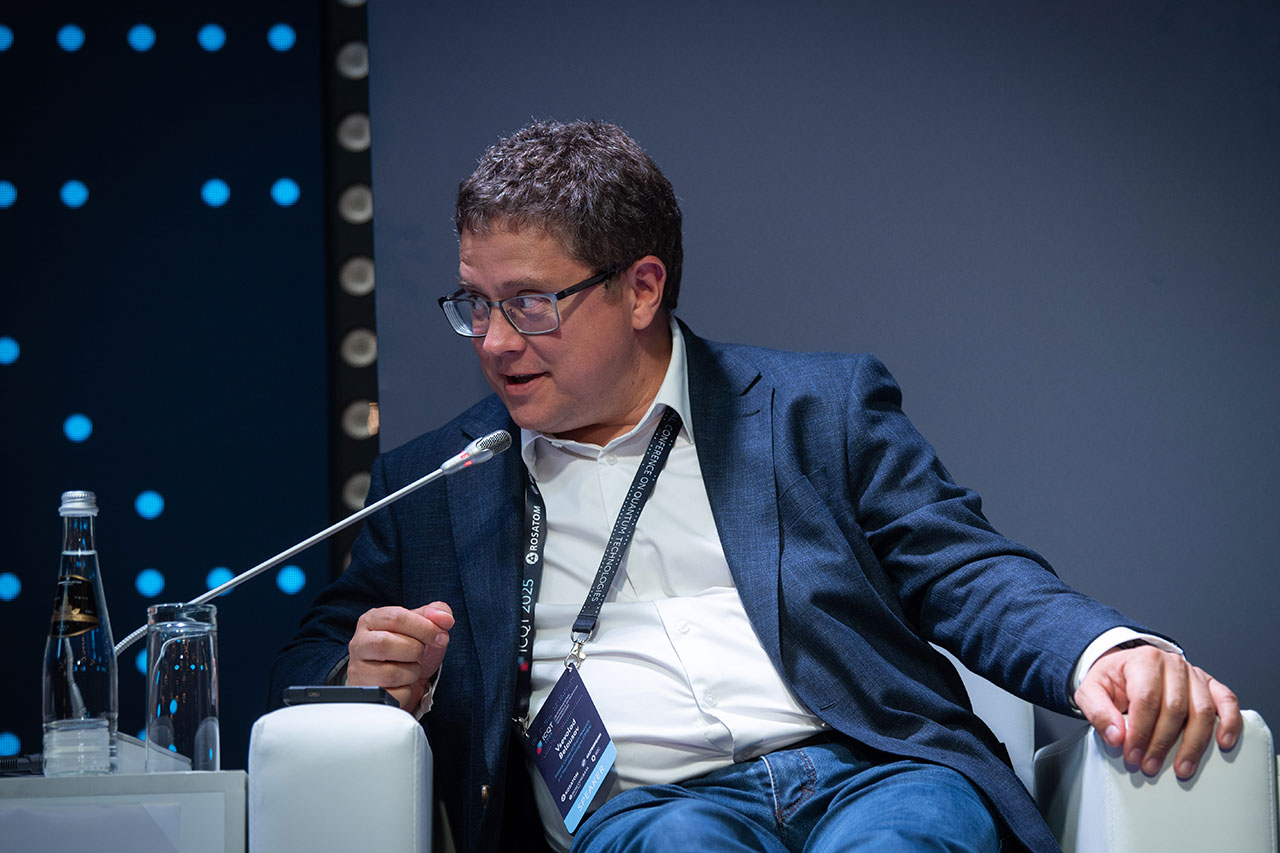
Vsevolod Belousov
One of the panelists was Dmitry Aske, a prominent Russian artist and an ideologue of the ‘street wave’ movement. Co-founder of the Russian Quantum Center Ruslan Yunusov, who moderated the panel discussion, invited him to visit a laboratory that hosts a quantum computer. Such a tour may become a source of inspiration for future artistic experiments.
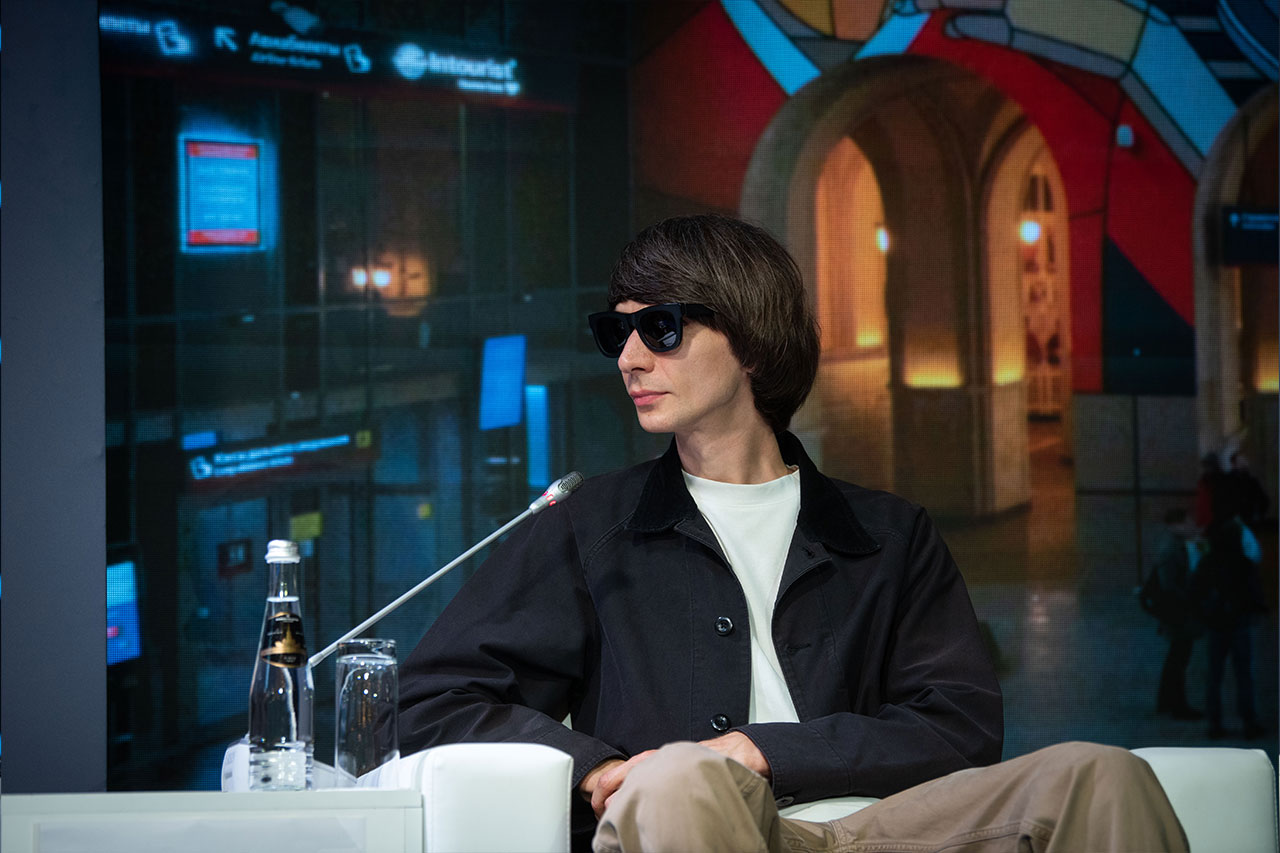
Dmitry Aske